As September kicks in and the final stretch of the year begins, research teams across both client and agency sides experience a familiar wave of pressure. End-of-year budgets open up, brief turnarounds tighten, and teams rush to get proposals written and out the door.
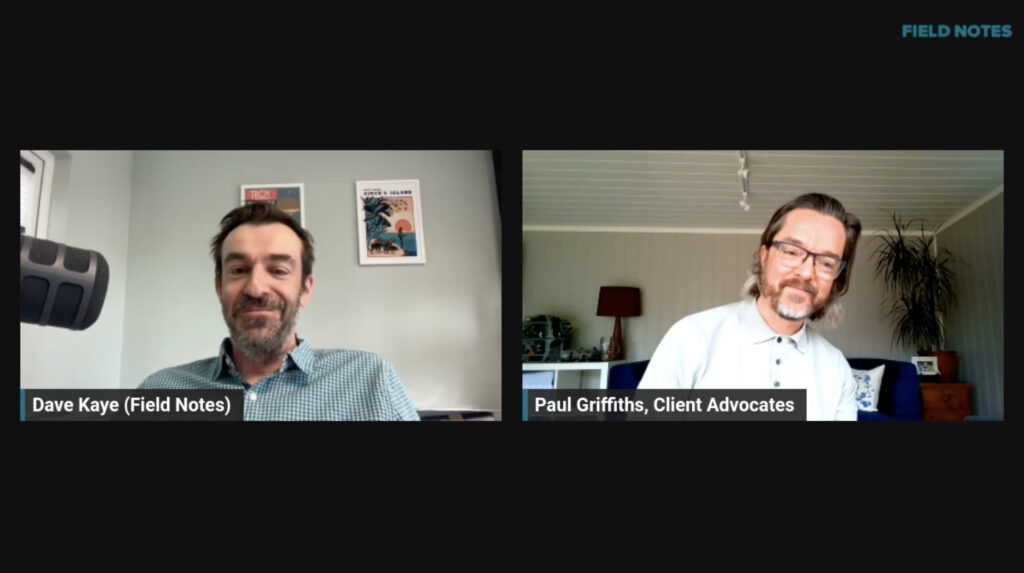
To launch this year’s Q4 Ready webinar series, we sat down with Paul Griffiths from Client Advocates. Having spent 25 years on both sides of the table selling, commissioning, and evaluating research, Paul brings a uniquely sharp commercial perspective to what actually makes a proposal stand out.
Here is a recap of Paul’s top strategies for turning potential opportunities into commissioned work.
1. Focus on Commercial Decisions and Impact (Not Just Activity)
The single biggest mistake agencies make in proposal writing is spending most of the document explaining what they are going to do, rather than focusing on the impact and the strategic decisions the project will enable.
An average proposal outlines a research plan; a winning proposal demonstrates how commissioning your team helps the client solve an internal business challenge and look great in front of their stakeholders.
2. Shift Your Language: Move From “We Will” to “You Get”
Language sets the tone for authority. Many proposals use tentative or passive phrases like “we aim to explore” or “we hope to understand”. Paul recommends using decisive, outcome-focused language that highlights the immediate value exchange.
“I wouldn’t even do ‘we will’, I would go ‘you get’. Rather than saying ‘we will do a thousand interviews’, you say ‘you get a thousand interviews with this’… You’re immediately showing that there is a value exchange; they’re getting something tangible.”
By shifting from “we will do” to “you get”, the client instantly sees what they are buying rather than just reading a list of agency tasks.
3. Put an Executive Summary on Page One
When clients receive a 40- or 50-page proposal deck, they rarely pass the full document up the chain to internal decision-makers or stakeholders. Instead, they often cut and paste elements from multiple proposals into a single document to present to leadership.
Providing a crisp, single-page Executive Summary on page one eliminates this friction for the client.
“If you cannot on one page describe what you’re going to do, what the outcomes are, and how much it’s going to cost them, then you probably haven’t got clarity in your own head about what you are doing.”
Paul recommends structuring your page-one Executive Summary around five core elements:
- The Business Challenge: The core problem you are fixing.
- The Recommended Approach: A high-level overview of the solution.
- Decisions Enabled: What the client will be empowered to decide.
- Commercial Impact: The positive business outcome.
- The Investment: Frame cost positively as an investment rather than a cost.
4. Front-Load and Personalise Your Team’s Expertise
Clients do not just buy an agency’s brand or methodology; they buy the specific human team assigned to solve their problem. Yet team bios are frequently buried later in the proposal document, using generic, copy-pasted templates.
“One of the key criteria is: have we got a really, really good team on this project? Have we got the right people who are going to fix our problem for us? And do we trust that they are going to be able to do that?”
Bring your team section forward, name the exact individuals who will run the study, and explicitly explain their relevant expertise and commercial track record.
5. Close with Urgency and a Clear Call to Action
Proposals often “dribble out” on a passive final slide. A winning proposal ends with a strong, urgent closing slide that drives momentum toward a decision.
“Proposals dribble out at the end and they shouldn’t. Have a really strong closing slide which underlines the core value you’re going to create, emphasise the risk of delay, and state clearly what the next steps are… Finish with urgency.”
Outline the exact follow-up timeline (e.g., scheduling a review call in one week) so the project stays on schedule for commissioning.
Summary
Winning more proposals is not about decorative design or longer decks; it is about commercial clarity, decisive language, and making life as easy as possible for your client.
A massive thank you to Paul Griffiths for kicking off our 2026 Q4 Ready series with such actionable guidance.
If you want to refine your team’s proposal writing or refresh your knowledge on how to position mobile self-ethnography in upcoming pitches, book a 30-minute team refresher session at this link.