As we navigate Q4, the pressure research teams are under inevitably increases. Targets need to be hit, budgets need to be secured, and everyone is running faster. In that environment, the idea of “pausing” to work on team dynamics feels like a luxury you can’t afford.
But according to Phil Burgess, co-founder of leadership consultancy Within, that is exactly when you should do it.
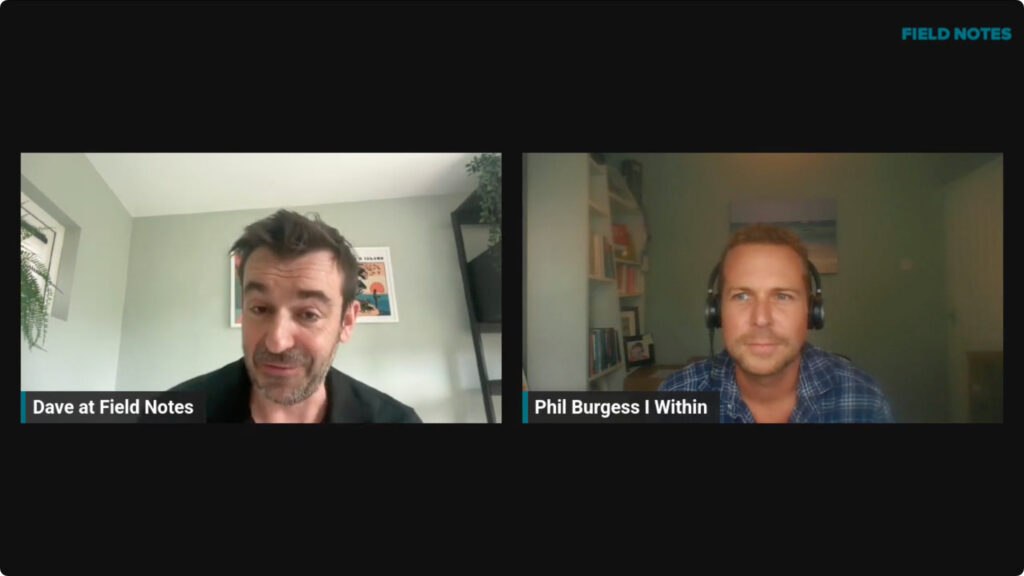
Last month, as part of our “Q4 Ready” webinar series, we invited Phil to discuss “How to Build High-Performing Teams.” Having previously transformed the culture at C-Space, Phil knows that high performance isn’t about being “smooth” – it’s about resilience, conflict, and intentionality.
Here are his top takeaways for leaders trying to navigate the end-of-year sprint without burning out.
1. High Performance Does Not Mean Smooth Sailing
There is a misconception that a high-performing team is one where everyone gets along perfectly and workflows are effortless. Phil busted this myth immediately.
“I’d argue that the highest performing teams are probably those that are having the most disagreements,” Phil explained.
The difference isn’t the absence of conflict, but the presence of psychological safety. Great teams feel safe enough to challenge each other. If your team is sailing through Q4 without a single disagreement, you might not be high-performing – you might just be avoiding the hard conversations.
2. Relationships are the “Source of Results”
When deadlines loom, the first things to get cut are the “soft” things: the team check-ins, the offsites, the coffee chats. Phil argues this is a mistake.
His philosophy is simple: “Relationships are the source of results“. Research consistently shows that teams with stronger social cohesion deliver higher profitability and innovation. If you are too busy to invest in relationships, you are too busy to succeed.
The Fix: You don’t need a two-day offsite. Take ten minutes in your weekly meeting to ask: “How are we doing as humans? Do we need to vent?”. Small rituals sustain the team when the pressure hits.
3. Behave Your Values (The “I Got This” Rule)
Corporate values often end up as generic words on a wall (e.g., “Excellence” or “Integrity”). To build a high-performing team, you need to translate those values into specific behaviours.
Phil shared an example from his time at C-Space. To encourage ownership, they codified a behaviour called “I Got This”.
• It didn’t just mean “do it yourself.”
• It meant: “Take responsibility, but ask for help when you’re stuck.”
By defining exactly what good behaviour looks like, you give your team a roadmap for how to show up, even on their worst days.
4. “Slow Down to Speed Up”
This was the mantra of the session. When everyone is running at 100mph, the leader’s job is to create a pause.
If your team is saying “we are too busy to stop,” that is the biggest red flag that you must stop. Taking time to clear away non-urgent tasks and realign on priorities allows you to move faster in the long run. It prevents the team from frantically climbing a ladder that is leaning against the wrong wall.
5. AI is a Coach, Not a Manager
Finally, we touched on the elephant in the room: AI. Phil warned against the “horrifying” trend of managers using AI to write performance reviews or handle difficult feedback.
• The Rule: Use AI as a thinking partner or a coach to roleplay a difficult conversation.
• The Red Line: Never use it to replace the human connection required for leadership. If you outsource empathy to ChatGPT, you destroy trust.
Summary
Building a high-performing team isn’t about removing friction; it’s about navigating it with intentionality. As Phil summarised: “Relationships are the source of results.”.
A huge thank you to Phil Burgess for his wisdom. If you wish to watch the full webinar recording, you can find it here.