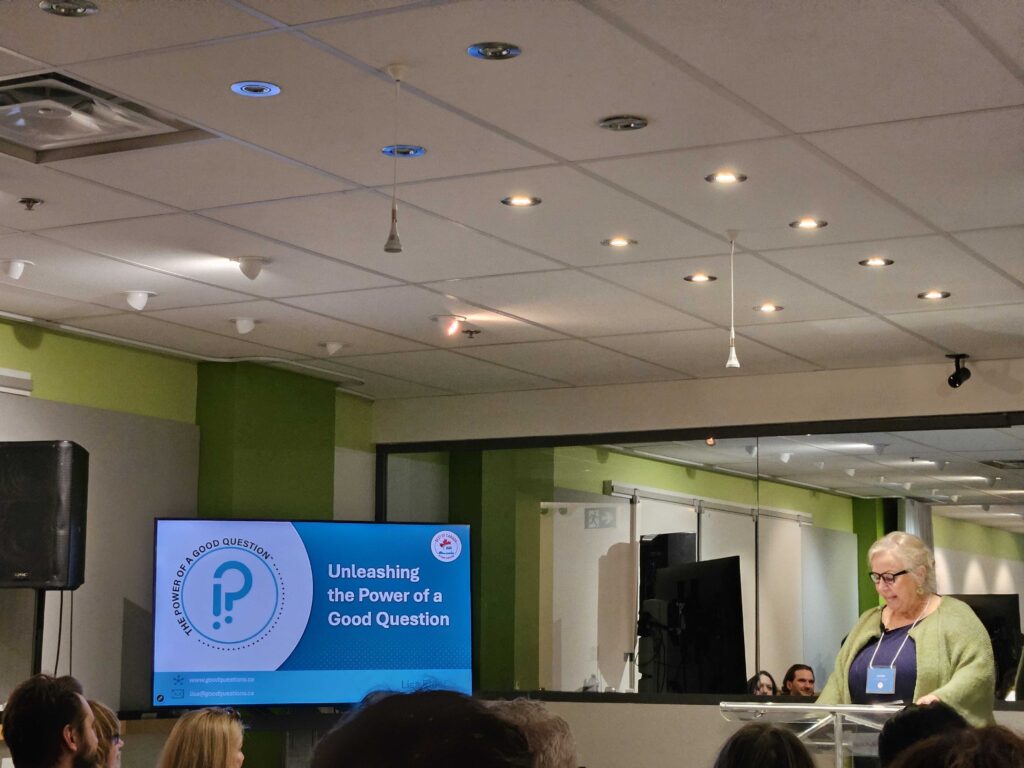
At Field Notes, we aren’t just tech developers, we are a small and passionate team of researchers who believe deeply in the power of human insight. Because we are undeniably Qual-first, we are always looking for ways to scratch beneath the surface. That’s why we were so inspired by a session imparted by Lisa Elder at the QRCA Canadian symposium this past May.
Lisa’s session centered on the idea that being understood is a top human need. There is evidence showing that feeling understood is a key driver of our overall wellbeing, the strength of our relationships, and our sense of social connection.
The concept of human needs can be viewed through a few different psychological lenses, particularly when looking at how the profound need to be understood intertwines with our other core drives.
While we often prioritize feelings like love or admiration, psychological frameworks suggest that without feeling understood, our other emotional wants—such as the desire to be accepted, appreciated, approved, attended to, liked, and cared for—can end up feeling relatively meaningless. If we don’t feel that others truly know us, we are left feeling estranged and isolated, making “being understood” a foundational prerequisite for our other desires to be satisfyingly fulfilled.
Avoiding the “Freight Trainer”
Lisa highlighted how a lack of curiosity and mutual understanding serves as a massive barrier to genuine connection. We often default to talking about what we do, rather than who we are. She perfectly described the “Freight Trainer” behavior: individuals who talk at and to you, but never with you. It’s an egocentric habit that alienates others instead of engaging them.
This concept deeply resonates with us at Field Notes because it represents the exact opposite of a great qualitative experience. We believe in putting yourself in the participants’ shoes by seeing the world through their eyes, rather than merely broadcasting at them. Instead of interrogating them with cold, transactional questions, we design our mobile ethnography platform to help researchers build tasks that allow participants to naturally unpack and explain why they behave the way they do. Our goal is to help you create a safe, supportive space where participants feel comfortable being vulnerable, ultimately allowing them to answer with much greater depth.
To avoid this and capture real, dynamic insights, Lisa shared some incredibly effective qualitative questioning techniques:
- Ask, don’t assume: Avoid aggressive “why” questions.
- Focus on perspectives: Look for the personal worldview, not just sterile information.
- Create a “bubble”: Build a safe space for truly meaningful conversations.
The Gift of Understanding
Lisa also touched on the unique challenges we face as qualitative professionals, such as overcoming our own urge to display intelligence and managing the desire to be heard after spending so much time listening. But when we avoid just becoming an interviewer and truly remain a researcher, we offer something incredible to both our personal relationships and our clients.
When we unleash good questions, we are offering a “gift to the world”. We use our personal talents to foster greater understanding, bringing clarity and illumination to the human experience.
In a world obsessed with big data, this is a beautiful reminder of why we treat our participants as people, not data points. Our tagline is “Remote doesn’t have to be distant” because we know that building an empathetic bridge requires a human touch.
Let’s keep using these questions to build connections, and if you have any for us, let’s chat!